About The Event

The Non Resident Chhattisgarhiya (NRC) Summit 2026 is a premier global platform that brings together the Chhattisgarhiya diaspora, investors, policymakers, entrepreneurs, and cultural ambassadors to strengthen bonds with the homeland and unlock new avenues for collaboration, investment, and sustainable growth. It is being organized by the Government of Chhattisgarh in collaboration with the North America Chhattisgarh Association/NRI Association of Chhattisgarh (NACHA).

Rooted in shared identity, heritage, and values, the Summit is a heartfelt celebration of belonging and pride. It offers members of the global Chhattisgarhiya community an opportunity to reconnect with their roots while actively contributing to the state’s journey of progress and development.

Over two dynamic days, the Summit will facilitate meaningful dialogue, strategic partnerships, and knowledge exchange among Non-Resident Indians, business leaders, innovators, government representatives, and community stakeholders. Through focused discussions, networking sessions, and cultural showcases, participants will explore opportunities in industry, infrastructure, innovation, culture, tourism, and social development.

Chhattisgarh

Located in the heart of India, Chhattisgarh is a dynamic and fast-growing state known for its rich natural resources, vibrant cultural heritage, and strong industrial base. Strategically positioned in Central India, it connects key regions of the country through robust road, rail, and air networks.

The capital, Raipur, serves as the administrative and economic hub, anchoring the state’s rapid development. With 33 districts across five divisions, Chhattisgarh combines effective governance with inclusive growth.

Rooted in tradition and driven by progress, Chhattisgarh stands as a rising centre of opportunity, innovation, and global engagement.

Nava Raipur

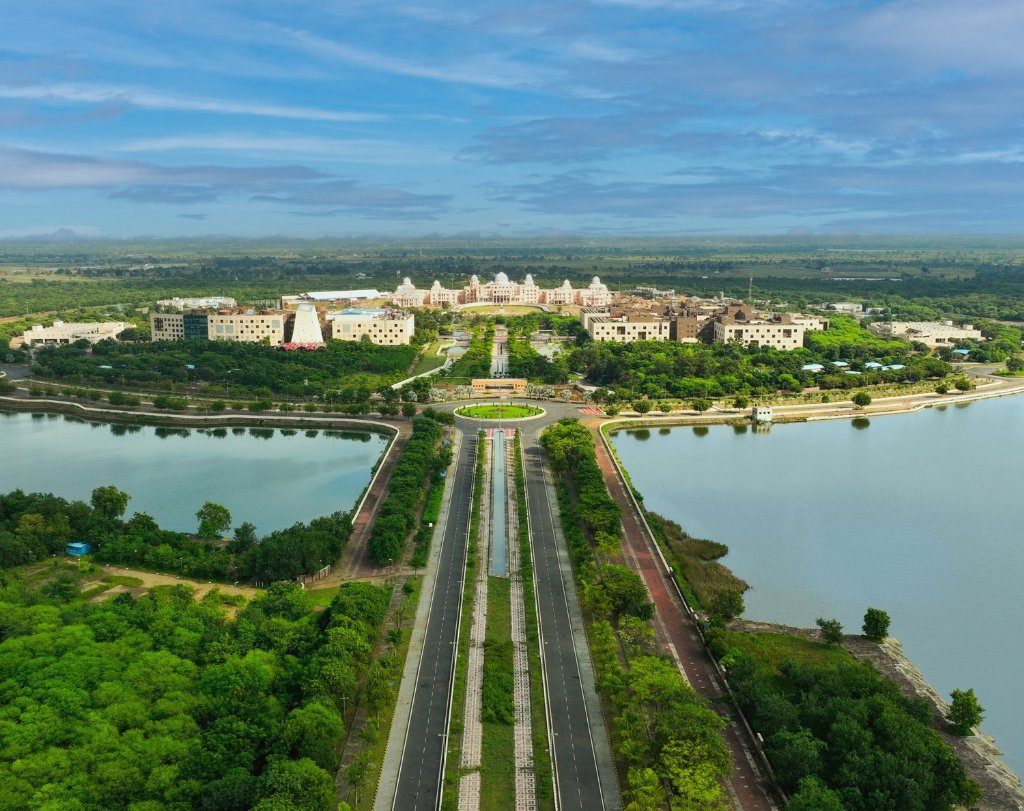
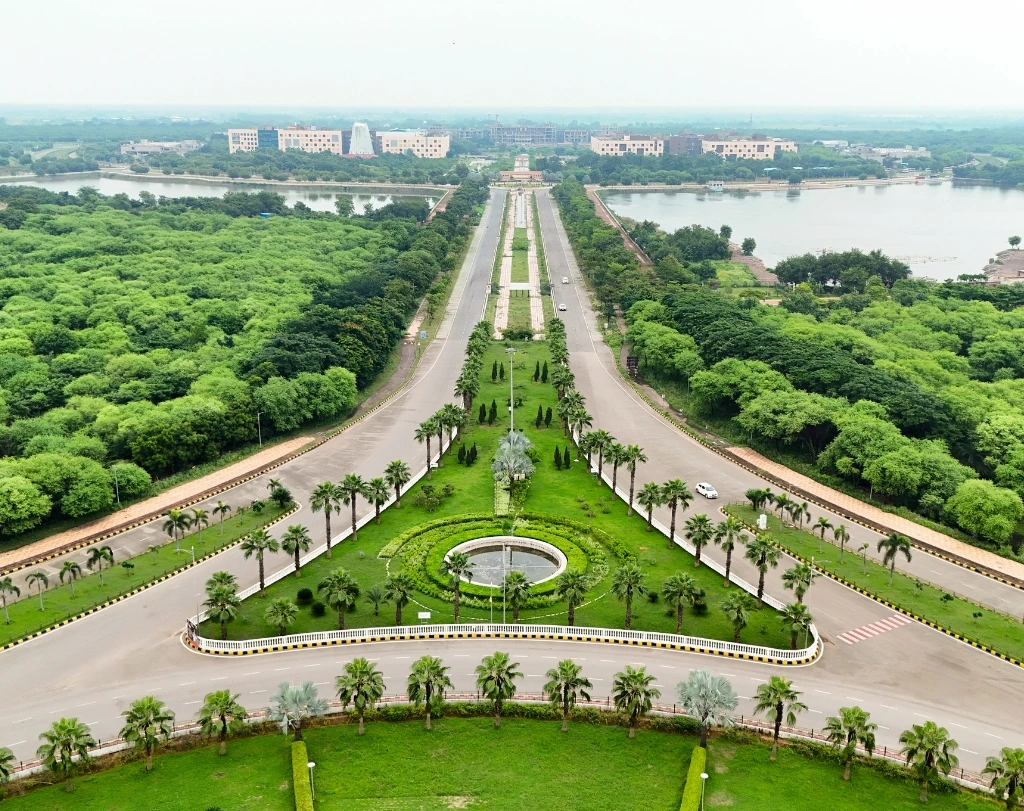
Officially known as Atal Nagar, Nava Raipur is the world’s first integrated smart city that blends modern infrastructure with environmental stewardship. Wide roads, underground utilities, smart governance systems, and abundant green spaces define its planning vision. The city houses key government institutions, educational campuses, and emerging commercial hubs, making it a focal point for investment and innovation.

The Nava Raipur Atal Nagar Vikas Pradhikaran (NRDA) is the nodal agency entrusted with the comprehensive development of the city. An Integrated Command and Control Centre serves as the backbone of the city by supervising, consolidation reporting and processing of the data. It is a zero-waste discharge city with 30% area reserved for afforestation purposes. Nava Raipur boasts of India’s second largest cricket stadium, the Shaheed Veer Narayan Singh International Cricket Stadium with a seating capacity of 65,000. The city is well- connected with the major cities of the country through daily direct flights from the Swami Vivekananda Airport.

With its emphasis on sustainability, digital connectivity, and quality of life, Nava Raipur represents Chhattisgarh’s commitment to building a progressive, globally competitive urban future.

History

The history of the Chhattisgarh region can be traced back to the 4th century CE when it was known as Dakshin Kosala with its capital in Shripura (modern-day Sirpur). The name “Chhattisgarh,” meaning “thirty-six forts,” is believed to have originated from the fortified territories once governed by the Haihaya rulers, particularly from their base at Ratanpur.


During the medieval period, Chhattisgarh was split into many small states and princely territories. The most prominent among them was the Kalachuri dynasty which ruled from their capital at Ratanpur from the 9th to the 18th century CE. Other prominent states that flourished in the medieval era included Sarguja, Raigarh, and Bastar. Most of Chhattisgarh was consolidated under the Haihaiyavanshi dynasty which ruled central Chhattisgarh for 700 years until the Maratha invasion.


In the 18th century CE, the Marathas invaded this region and brought the Ratanpur state under their control. Following the Maratha rule, Chhattisgarh came under British rule. The British incorporated Chhattisgarh into the Central Provinces, with Raipur as the regional headquarters.


At the time of India’s independence in 1947, Chhattisgarh was a part of Madhya Pradesh. Over time, growing aspirations for regional identity and development led to a strong movement for statehood. Finally, on 1 November, 2000, a separate state of Chhattisgarh was carved out of Madhya Pradesh. 

Industry

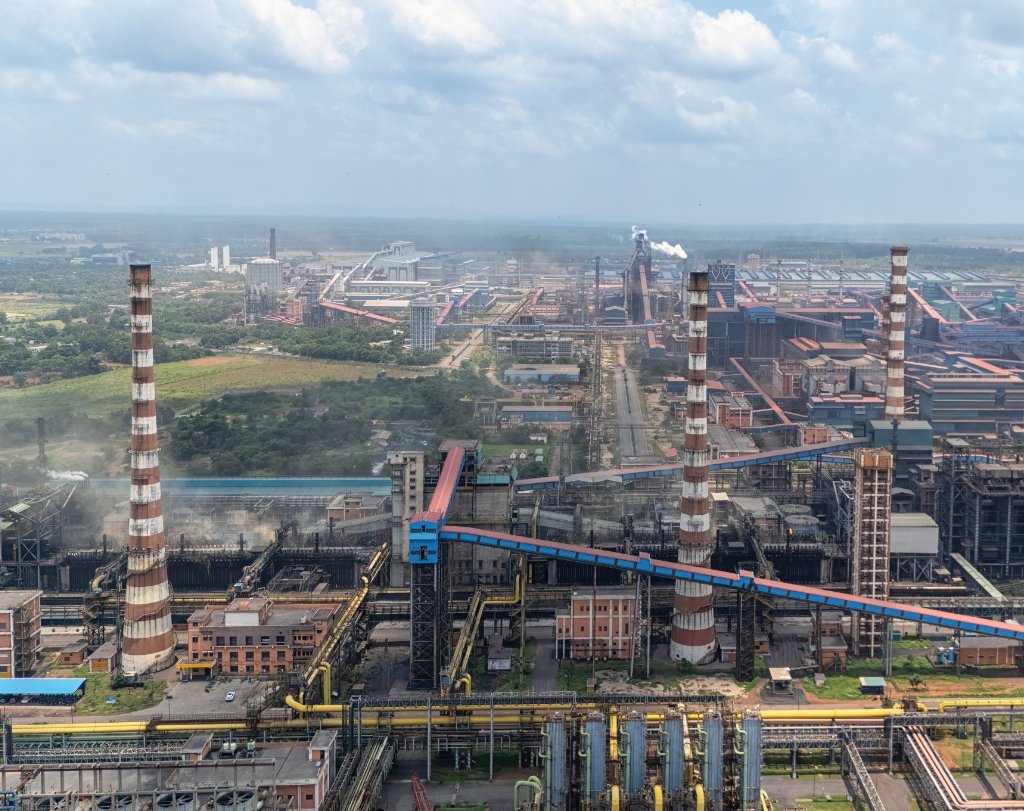
Chhattisgarh has emerged as one of India’s leading industrial states, driven by its rich mineral base, strong infrastructure, and investor-friendly policies. The state is widely recognised for its strength in steel, power, mining, and cement production, making it a key pillar of India’s industrial economy.


Nearly one-fifth of India’s iron ore reserves are located in Chhattisgarh. Among the most significant deposits are the Bailadila Hills in southern Chhattisgarh, known for producing some of the finest quality iron ore in the world. The close proximity of coal, iron ore, and limestone reserves provides a natural advantage for low-cost steel production, supporting a strong and competitive steel industry.


The state is also rich in mineral diversity, with deposits of diamond, coal, limestone, dolomite, tin ore, bauxite, and gold. Notably, all of India’s tin ore reserves are found in Chhattisgarh. In total, the state hosts 28 varieties of minerals, offering significant scope for private investment and sustainable mining development.


Chhattisgarh is among the few Indian states with surplus power generation capacity. Supported by abundant coal reserves, liberal captive power policies have encouraged major private participation in the energy sector, strengthening industrial reliability and competitiveness.

Chhattisgarh produces almost half the country’s total cement. Alongside heavy industries, Chhattisgarh has witnessed rapid growth in MSMEs, startups, and agro-processing units, promoting inclusive and balanced industrial development. In recent years, Chhattisgarh has also seen growth in Information Technology projects and consultancy. The Chhattisgarh Infotech Promotion Society (CHiPS) plays a key role in implementing e-governance and IT projects such as CHOICE and SWAN, enhancing service delivery and digital infrastructure. With its strong resource base, skilled workforce, modern facilities, and proactive governance, Chhattisgarh positions itself as a preferred destination for industrial investment and sustainable growth.

Arts & Craft

Chhattisgarh is renowned for its vibrant traditional art forms, metal craft, folk music, and dance traditions that reflect centuries-old cultural practices. Deeply rooted in community life, these art forms are not merely performances but expressions of devotion, storytelling, and seasonal celebration.

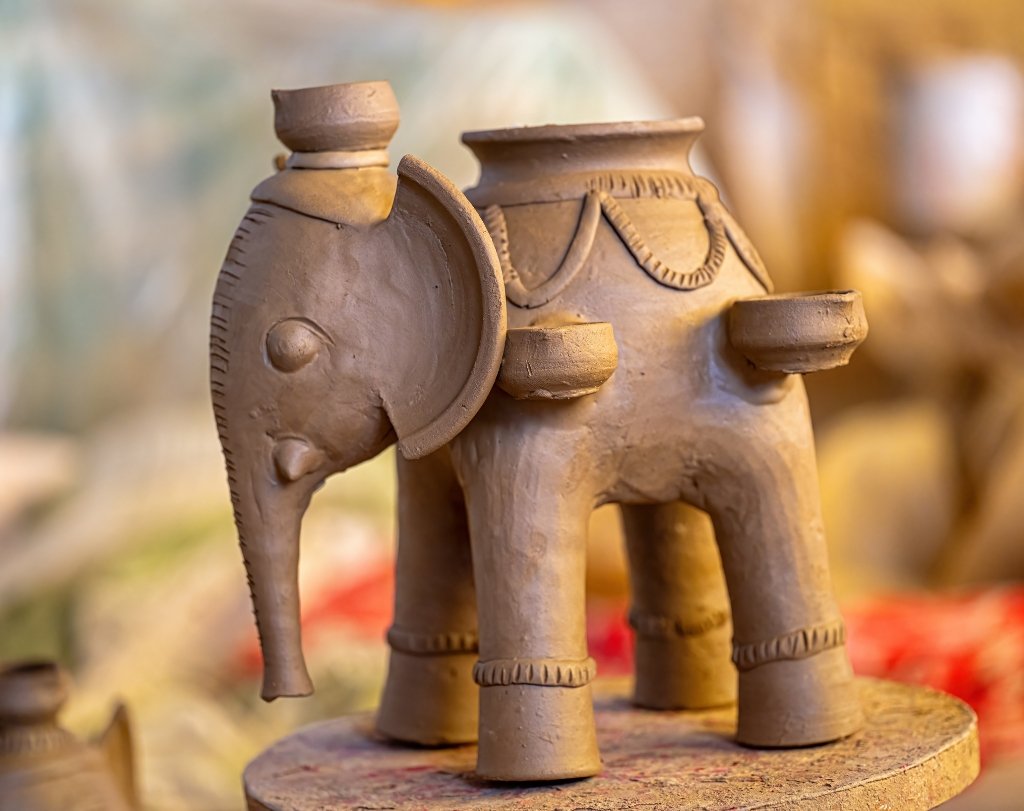
The state is especially famous for its exquisite Bastar Dhokra metal craft, created using the ancient lost-wax casting technique. Tribal artisans also produce intricate wood carvings, terracotta, bamboo crafts, handwoven textiles, and colourful murals. A major highlight of Chhattisgarh’s visual heritage is Gond art, practiced by the Gond tribal community. Characterised by intricate patterns, vibrant colours, and symbolic depictions of nature, mythology, and daily life, Gond paintings reflect a deep spiritual connection with forests, animals, and ancestral traditions. Today, Gond art enjoys national and international recognition and forms an important part of the state’s creative economy.

Among Chhattisgarh’s most striking dance traditions is the Bison Horn Dance, performed by tribal communities of the Bastar region. Dancers wear distinctive headgear resembling bison horns, along with colourful costumes and ornaments. Accompanied by rhythmic drumming, the dance symbolises strength, bravery, and harmony with nature and is often performed during festivals and community celebrations.

Other vibrant dance forms include Panthi, associated with the Satnami community, involving dynamic acrobatics and human pyramids; Raut Nacha, performed by the Yaduvanshi community during Diwali festivities; Suwa Nacha, the symbolic “Parrot Dance” performed by tribal women; and Karma, celebrated by tribal communities such as the Gonds, Baigas, and Oraons to mark seasonal transitions. Pandavani, the state’s iconic folk ballad tradition, narrates episodes from the Mahabharata. Performed in Vedamati and Kapalik styles, it combines storytelling, music, and dramatic enactment. The legendary artist Teejan Bai brought global recognition to this tradition. Together, these diverse art forms and living traditions make Chhattisgarh a dynamic repository of India’s folk and tribal heritage, preserving its cultural identity while inspiring contemporary creativity.

Tourism

Chhattisgarh is a hidden gem on India’s tourism map – a unique cultural and eco-tourism destination. Known for its serene landscapes and unspoiled destinations, the state provides travellers with an authentic and immersive experience.


At the heart of its tourism appeal lies the Bastar region, celebrated for its vibrant indigenous culture, colourful festivals, and exquisite handicrafts. The region is home to spectacular natural wonders such as Chitrakote Falls, often called the “Niagara of India,” and the scenic Tirathgarh Falls, which cascades down in stunning steps.


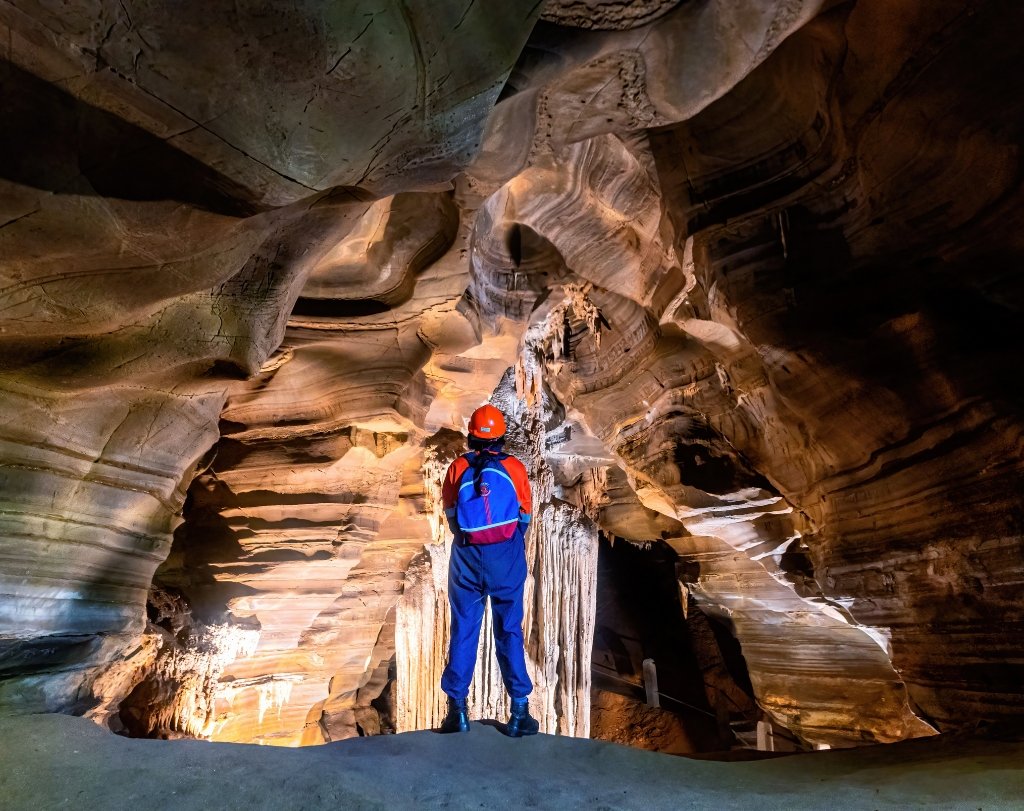
With the third largest forest cover in India, Chhattisgarh is home to many National Parks and Tiger Reserves. Nature lovers can explore the rich biodiversity of Kanger Valley National Park, famous for its limestone formations and the remarkable Kutumsar Caves, as well as Indravati National Park, one of the state’s key tiger habitats. The UNESCO-recognised Achanakmar-Amarkantak Biosphere Reserve further enhances the state’s ecological importance. These protected areas offer excellent opportunities for eco-tourism, trekking, and wildlife observation.

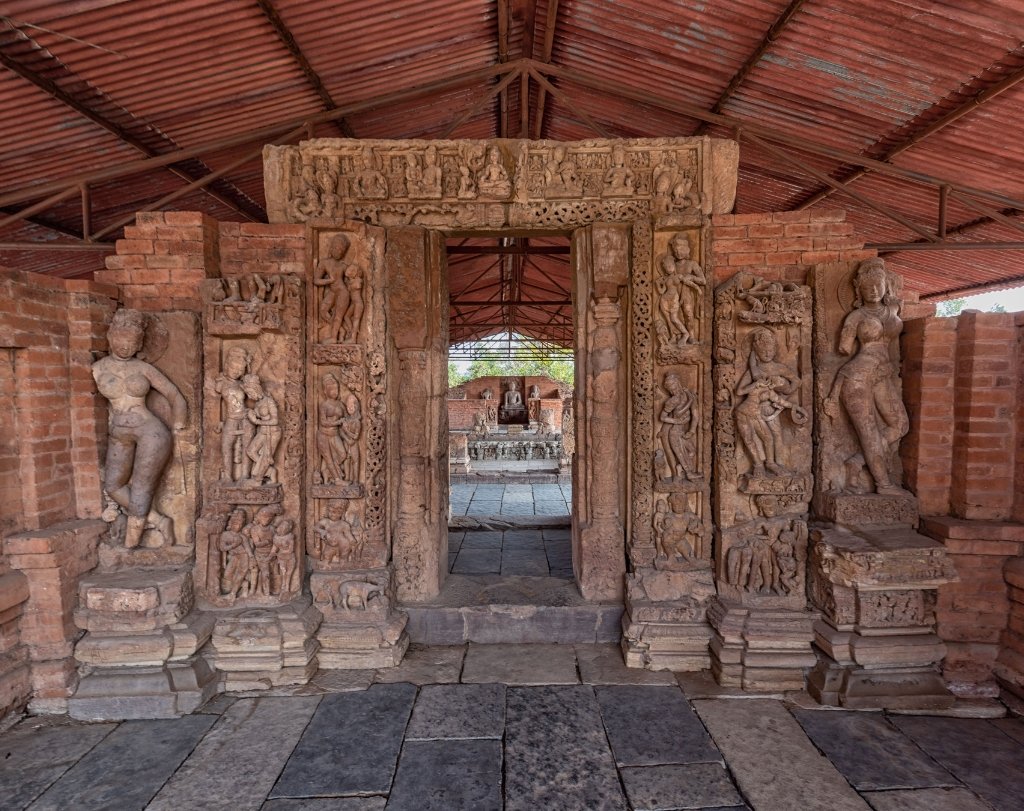
Chhattisgarh is equally rich in spiritual and architectural heritage. The ancient temples of Sirpur reflect the region’s early Buddhist and Hindu legacy, while the intricately carved Bhoramdeo Temple, often called the “Khajuraho of Chhattisgarh,” showcases exquisite medieval craftsmanship. The revered Danteshwari Temple stands as a major pilgrimage centre in Bastar. Rural tourism initiatives across the state allow visitors to experience local lifestyles, traditional hospitality, and living cultural heritage firsthand.